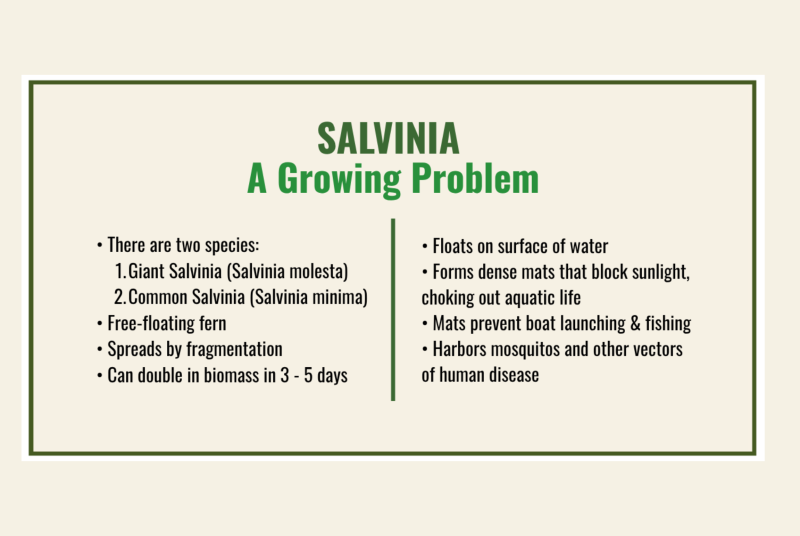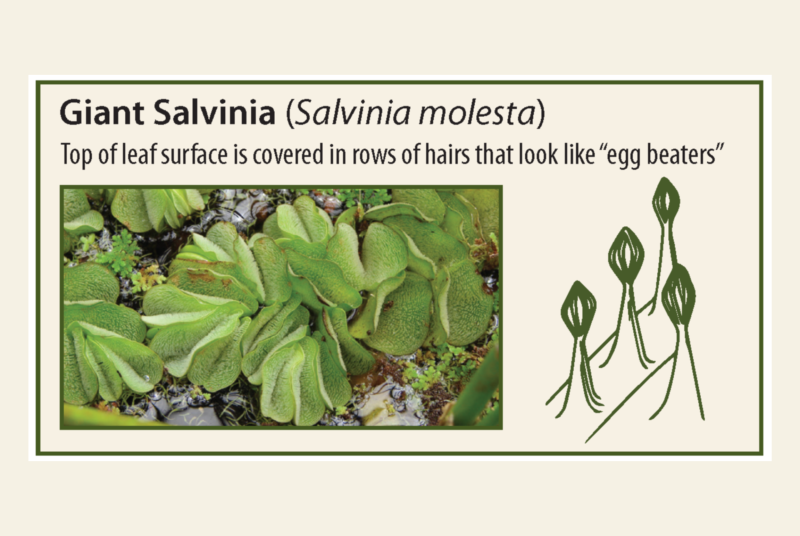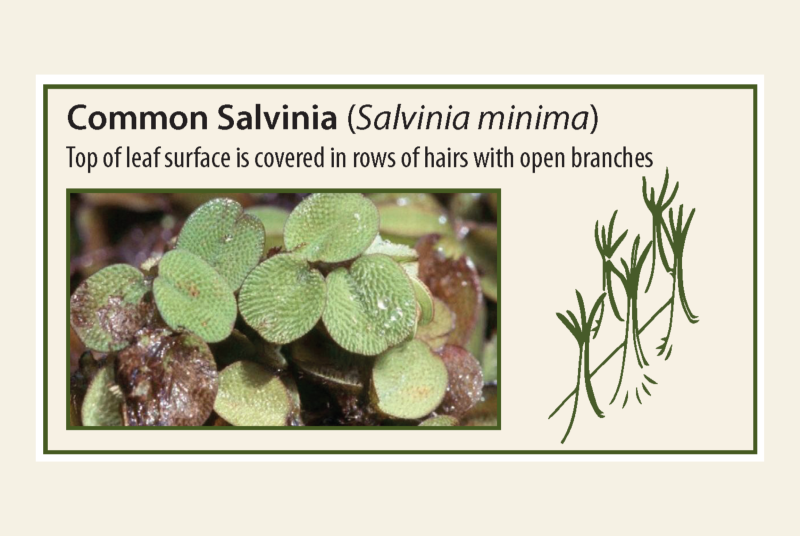
Mississippi's lakes, rivers, reservoirs, and streams provide outstanding opportunities for fishing, boating, hunting, and outdoor recreation. Unfortunately, these waters are also vulnerable to aquatic invasive species—non-native plants, animals, and organisms that can harm native fish and wildlife, damage habitats, and create costly management challenges.

Many aquatic invasive species spread from one waterbody to another by hitching a ride on boats, trailers, fishing gear, waders, bait buckets, kayaks, and other equipment. The good news is that every boater and angler can help stop their spread by following three simple steps:

Clean. Drain. Dry.

CLEAN

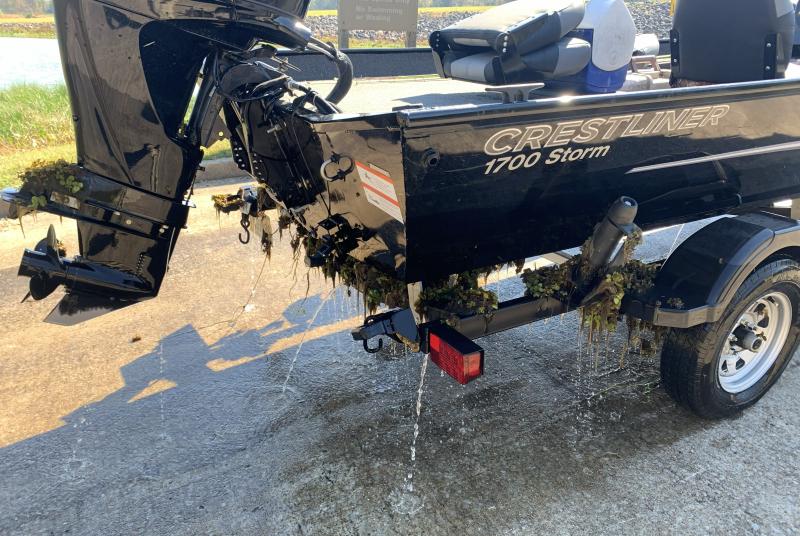
Before leaving a waterbody, inspect your boat, trailer, motor, and equipment. 

Remove all visible:

  • mud
  • aquatic plants
  • fish
  • mussels
  • snails
  • other animals or debris

Pay attention to trailers, axles, bunks, anchors, fishing gear, waders, and other equipment that comes into contact with the water. Cleaning removes invasive species before they can be transported to another location. 
DRAIN

Drain all water from your equipment before leaving the access area. 

Be sure to empty:

  • live wells
  • bilges
  • ballast tanks
  • bait buckets
  • coolers
  • any other containers that hold water

Many invasive species are microscopic and can survive in small amounts of standing water. Draining helps prevent them from being moved to new waters. 

DRY

Allow boats, trailers, and equipment to dry completely before launching in another waterbody. 

If possible:

  • Let equipment dry for several days before reuse
  • Wipe surfaces dry with towels
  • Clean gear thoroughly between trips

Many aquatic invasive species can survive for extended periods in damp environments. Drying helps ensure they do not survive long enough to spread.

ANGLERS: Don't forget to DISPOSE

In addition to Clean, Drain, Dry, anglers should always properly dispose of unwanted bait, fish parts, aquatic plants, and other organisms. 

Never release fish, bait, plants, or animals into a waterbody unless they came from that waterbody. Introducing aquatic species can spread invasive organisms.

Why It Matters

Aquatic invasive species can:

  • Reduce native fish populations
  • Damage aquatic habitats
  • Alter ecosystems
  • Impact recreational fishing and boating
  • Increase management and control costs

Once established, invasive species are often difficult—or impossible—to eliminate. Prevention remains the most effective and affordable way to protect Mississippi's waters. 

Make It Part of Every Trip

Whether you're fishing, boating, paddling, duck hunting, or simply enjoying Mississippi's waters, practicing Clean, Drain, Dry every time you leave a waterbody is one of the easiest ways you can help protect our aquatic resources.

Every Waterbody. Every Time.