Dig Into the Past!
Discover the fascinating world of ancient marine life at the Mississippi Museum of Natural Science's Fossil Dig Pit! Find fossils of creatures that lived millions of years ago and get a closer look at some of the incredible discoveries hidden beneath the surface.
What Might You Find?
Among the various fossils, minerals, and interesting rocks in our sand pile in front of the Science Museum are the fossil teeth (and other skeletal parts) of sharks, rays, and other sea creatures originating from open-pit mines in northern Morocco—a large sovereign country lying on the northwest coast of Africa. The Moroccan fossils come from massive layers of phosphate rock deposited when the western part of the country (west of the Atlas Mountains) was submerged beneath a shallow sea 70-50 million years ago. The rock formed from an originally soft seafloor consisting of sediment accumulating in the form of seemingly incalculable volumes of decaying microorganisms settling on the sea bottom in great thicknesses.
Morocco is a fossil-rich country and fossils are one of its principal exports—the teeth of sharks and other marine animals in particular. Morocco’s fossil production is largely the byproduct of mining for the mineral phosphate, which is the country’s chief export. In fact, Morocco is the world’s largest exporter of phosphate, and since the phosphate deposits are so rich in marine animal fossils, it is also one of the leading global exporters of shark teeth.
The Moroccan fossils in this sand pile are light-colored. The crowns of the shark teeth may range from almost white to light brown but are typically somewhere in between. Several different species of sharks are discernible among the teeth in the museum’s sand pile. Among the other types of Moroccan marine animal fossils that can be found in this pile are the teeth of rays, sawfish, dyrosaurs (a type of crocodile), and rarely part of a sea snake vertebra may show up. There are also stingray stingers, and the vertebrae (backbones) of sharks and rays.
Age: Eocene Epoch, ~55 million years old.
Origins: Khouribga Phosphate Mines, Ouardigha Plateau, northern Morocco.
Shark Teeth
Fossil shark teeth are among the many marine fossils found in the fossil dig pit. These teeth come from sharks that lived in the ancient seas covering parts of Morocco millions of years ago.
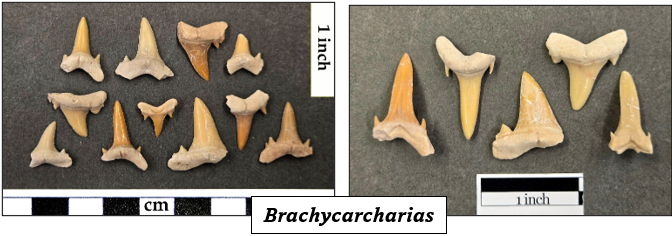
Brachycarcharias
A prehistoric sand tiger shark that was one of the most common sharks in the ancient seas of Morocco.
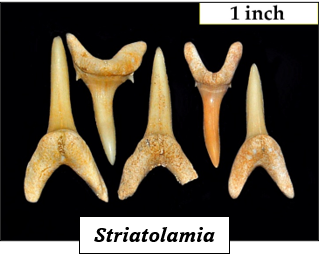
Striatolamia
Another genus of prehistoric sand tiger shark that lived in the ancient seas during the Eocene Epoch.
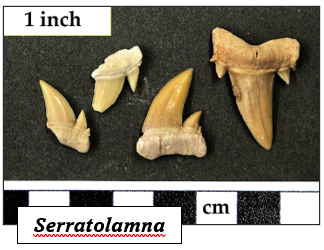
Serratolamna
An extinct mackerel shark that swam in the ancient seas millions of years ago.
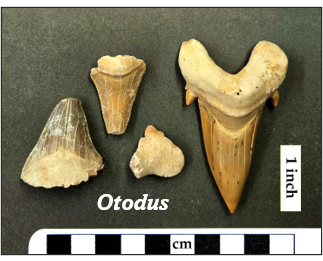
Otodus
An ancient mackerel shark best known as an early relative of the famous Megalodon.
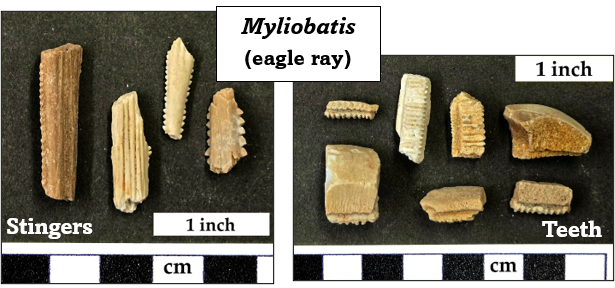
Eagle Ray Teeth
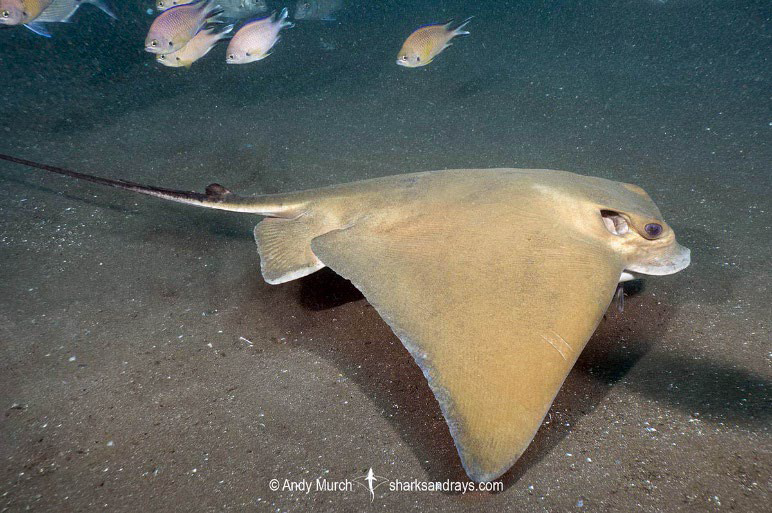
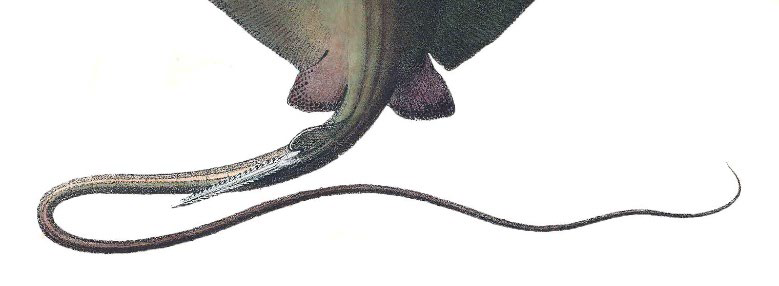
Eagle rays (Myliobatis) have broad, flat teeth used to crush hard-shelled prey, while their tail stingers have sharp, serrated edges that serve as a defense against predators.
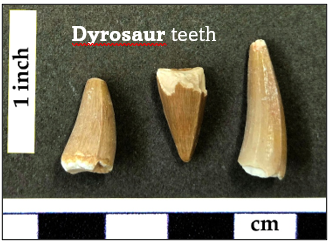
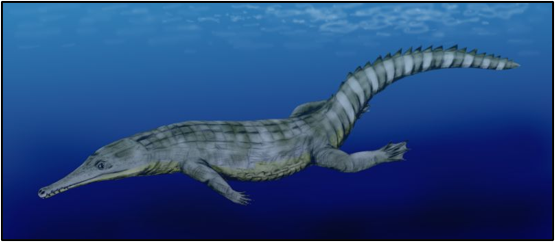
Dyrosaur Teeth
The teeth of extinct dyrosaurs can also be found among the Moroccan fossils. Dyrosaurs were extinct, long-snouted crocodilians that lived in ancient marine environments and reached up to 9.5 feet in length.
Where Did These Fossils Come From?
The fossil dig pit has an interesting history, with fossil-rich material connected to both Mississippi and northern Morocco.
The original fossil-rich sand came from a site behind the former Red Hot Truck Stop in Meridian, Mississippi. It was collected in the year 2000 during a major construction project that exposed naturally fossil-rich sediment.
The newer sand pile was seeded with additional fossil teeth and other marine animal remains purchased from northern Morocco. These fossils originated in phosphate mines, where layers of rock formed beneath a shallow sea millions of years ago.
Interestingly, the fossil deposits from both locations are approximately 55 million years old!