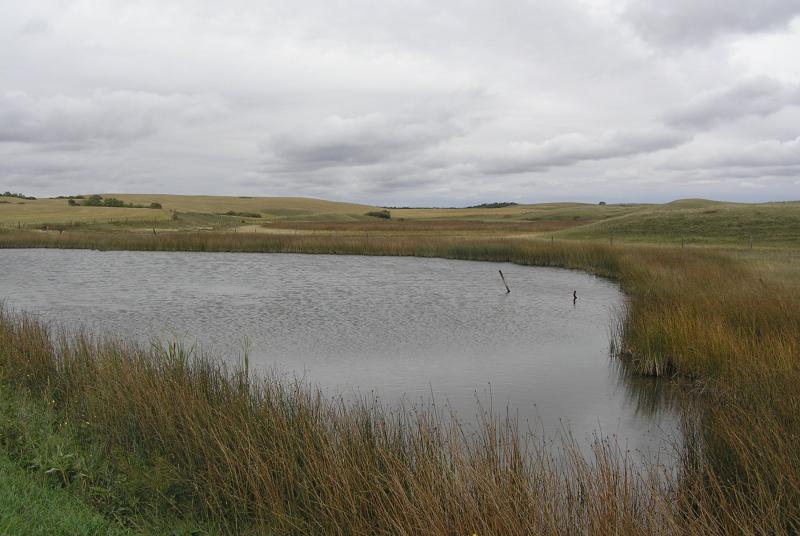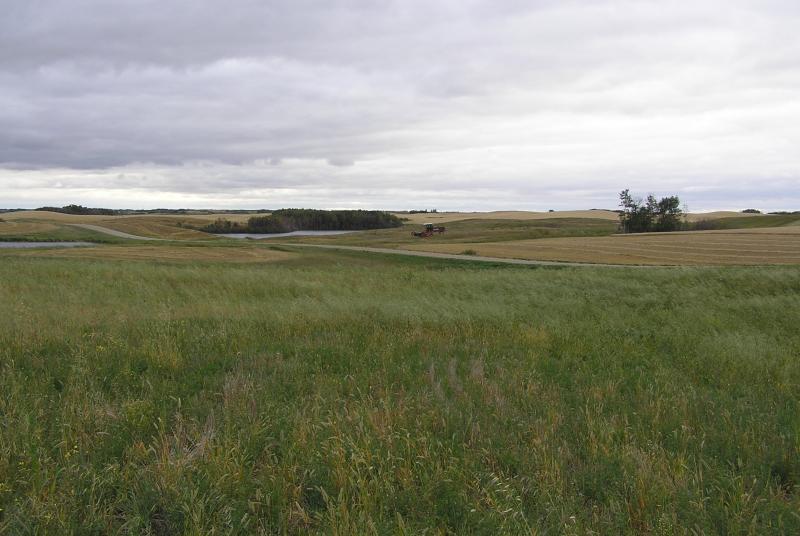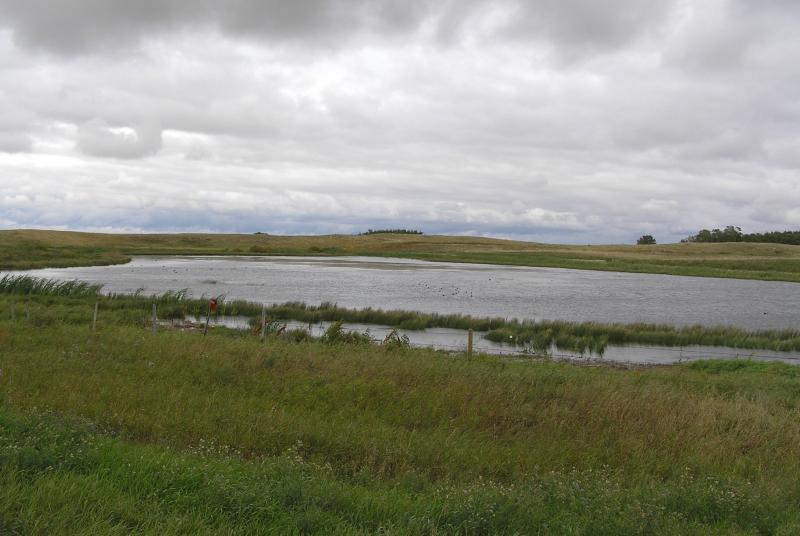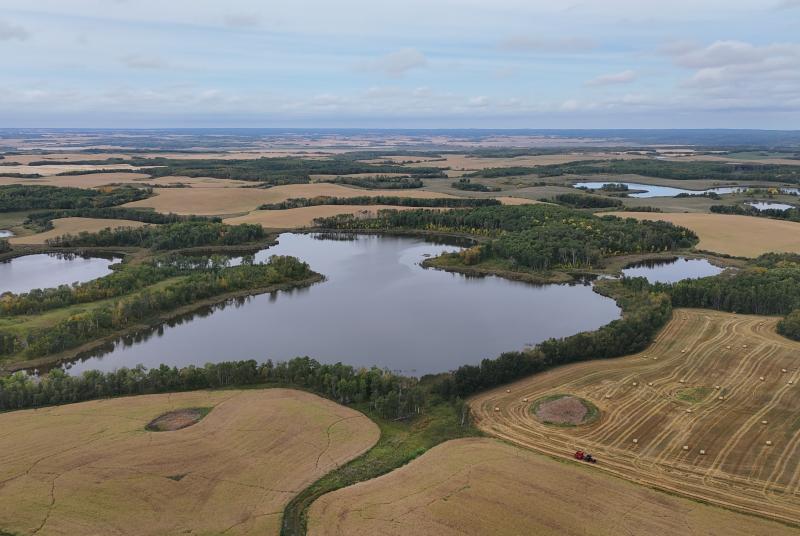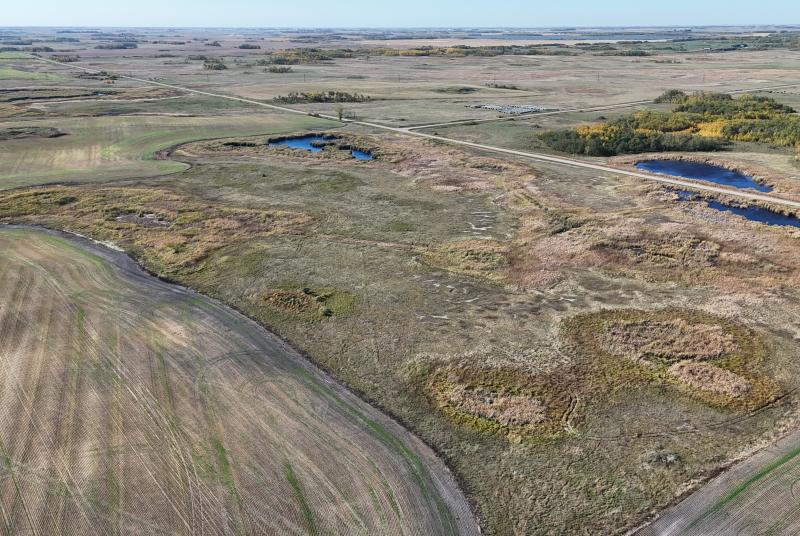
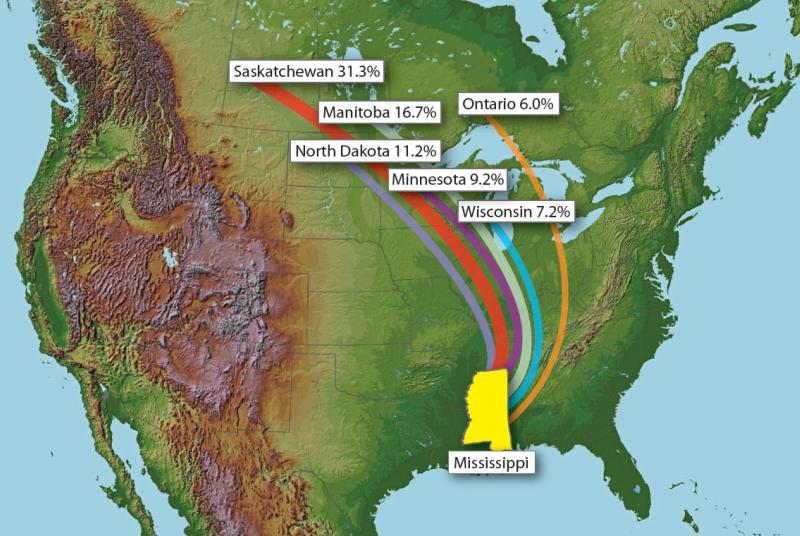
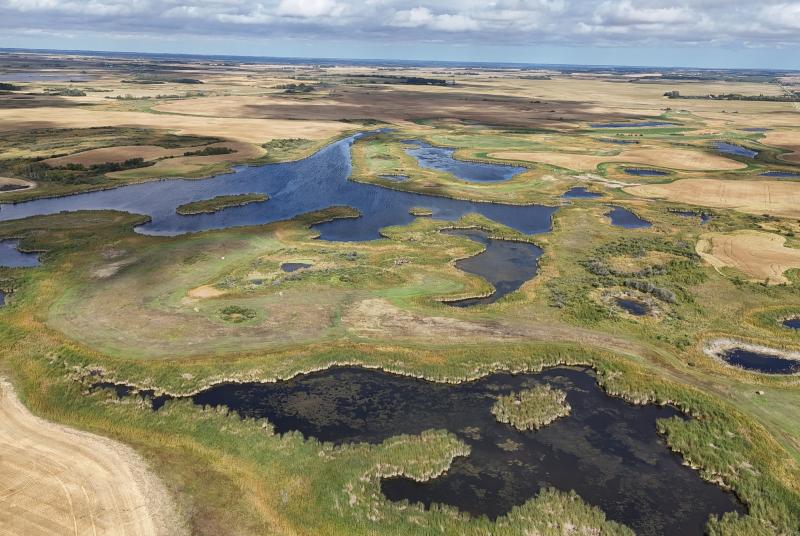
Protecting breeding habitat in the Prairie Pothole Region provides important nesting areas for ducks that migrate to Mississippi during winter. Breeding habitat, which impacts duck nest success, is one of the most important factors that influence duck populations. Band returns from ducks harvested in Mississippi continue to document the importance of wetland and grassland habitat conservation in the prairies.

Habitat Projects

Breeding Habitat Conservation in Saskatchewan through Ducks Unlimited Canada

Breeding Habitat Conservation in Saskatchewan is supported through a partnership with Ducks Unlimited Canada to help protect and restore critical waterfowl breeding habitat.

Habitat protection efforts include securing long-term conservation easements and other conservation agreements. These agreements help ensure that wetlands and surrounding upland areas remain intact and are not converted to other land uses. Protecting these landscapes safeguards important nesting habitat and maintains the natural wetland systems that waterfowl depend on during the breeding season.

In addition to protecting existing habitat, restoration projects help improve previously altered or degraded landscapes. One key component is upland restoration through the establishment of perennial forage cover. Planting perennial grasses and native vegetation provides essential nesting cover for ducks, reduces soil erosion, and improves overall ecosystem health. These restored uplands also help buffer nearby wetlands, creating more stable and productive breeding conditions for waterfowl. Together, these conservation efforts support strong duck populations that eventually migrate south and benefit hunters and wildlife enthusiasts across the Mississippi Flyway.
Adopt-a-Pothole Program in Manitoba through Delta Waterfowl

This region produces a large portion of the continent’s ducks each year, making long-term habitat protection essential for sustaining healthy waterfowl populations that migrate through the Mississippi Flyway.

Through this program, wetlands and the surrounding upland habitats are perpetually conserved using conservation easements and other long-term agreements with private landowners. These easements ensure that key wetlands remain intact and protected from drainage or development, preserving the natural landscape that breeding waterfowl rely on for nesting, feeding, and raising broods.

In addition to protecting habitat, the program enhances nesting success by installing and maintaining hen houses—elevated nesting structures placed over water that are designed primarily for mallards. Hen houses help reduce nest predation from common predators such as raccoons, skunks, and foxes, significantly improving nesting success in some areas. Ongoing maintenance ensures the structures remain functional and safe for nesting hens each season.

By combining permanent habitat protection with active nesting enhancements, the Adopt-a-Pothole program helps increase duck production on the breeding grounds. These efforts contribute to stronger waterfowl populations that eventually migrate south each fall, benefiting hunters, wildlife watchers, and conservation efforts throughout the flyway.