Help biologists estimate harvest rates, hunter participation, and migration patterns by encouraging hunters to report banded birds.
Waterfowl management is coordinated across state and international boundaries through the Mississippi Flyway Council, a partnership of wildlife agencies that collaborate to manage migratory bird populations along the Mississippi Flyway. Because ducks and geese travel thousands of miles between breeding, migration, and wintering areas, no single state can effectively manage these species alone. Through this cooperative framework, Mississippi works alongside other states, provinces, and federal partners to share research, coordinate habitat conservation, and develop science-based management strategies. These contributions ensure Mississippi maintains a strong voice in decisions related to harvest regulations, population monitoring, and habitat planning that directly affect the quality and sustainability of waterfowl hunting opportunities in Mississippi.
Together, these cooperative efforts strengthen the science behind waterfowl management and ensure Mississippi remains an active partner in conserving migratory bird populations throughout the Mississippi Flyway.
Types of cooperative projects funded include:
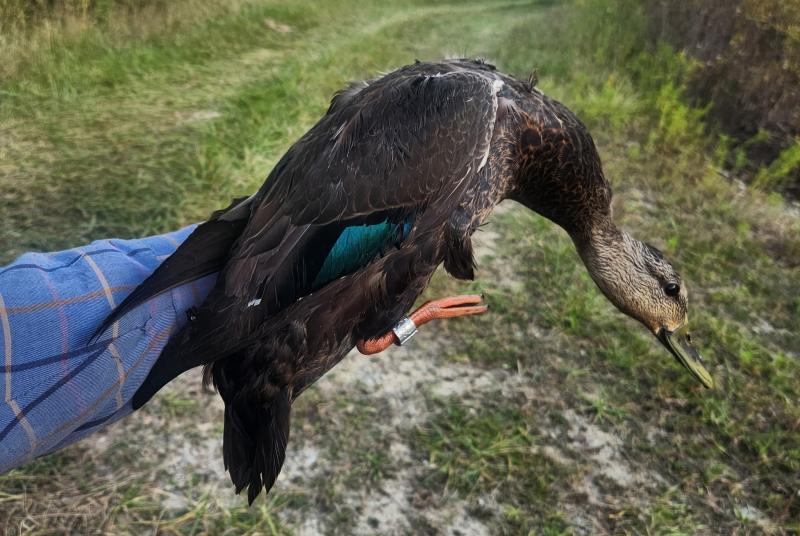
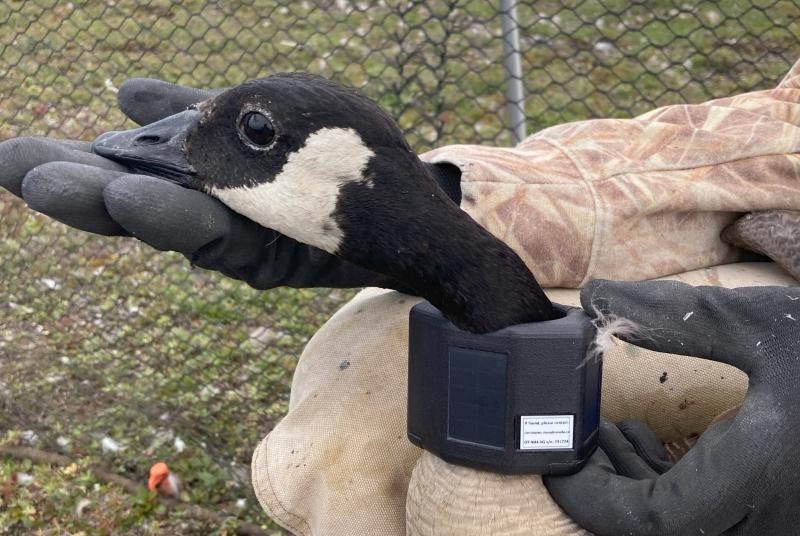
Help biologists estimate harvest rates, hunter participation, and migration patterns by encouraging hunters to report banded birds.
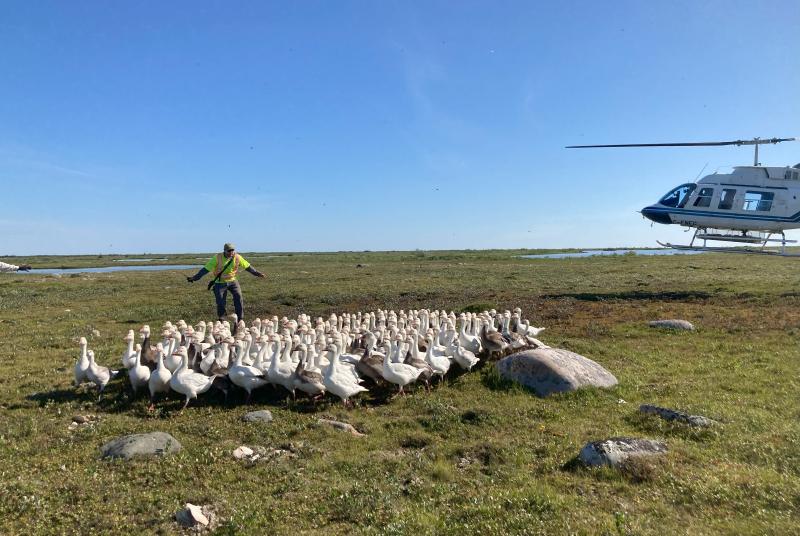
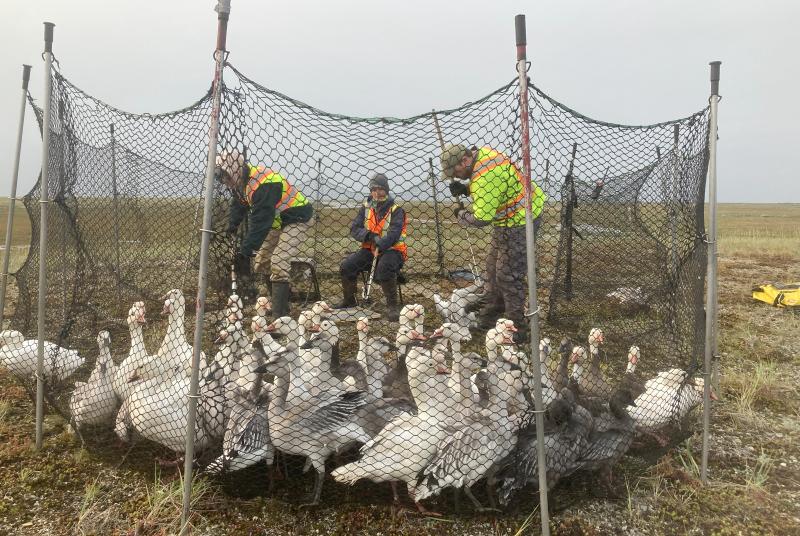
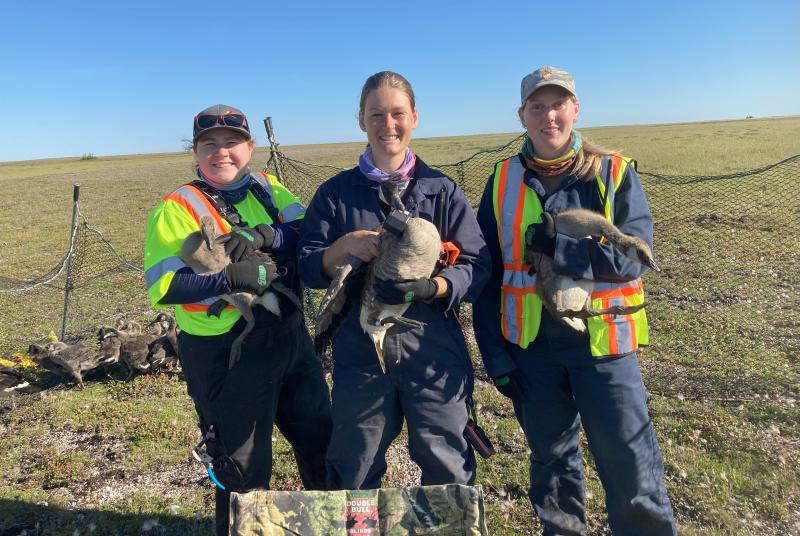
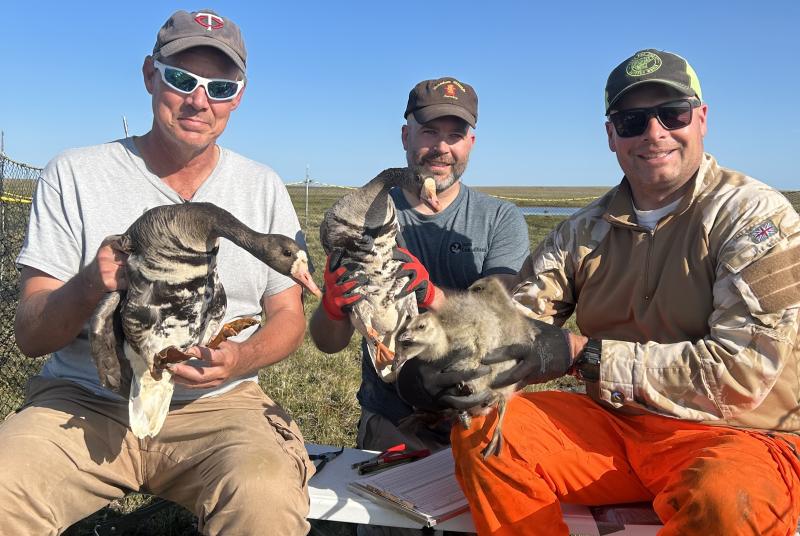
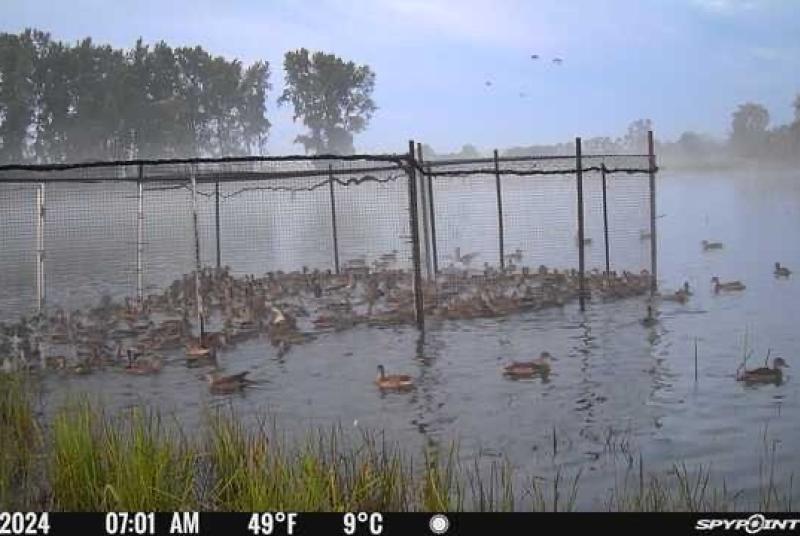
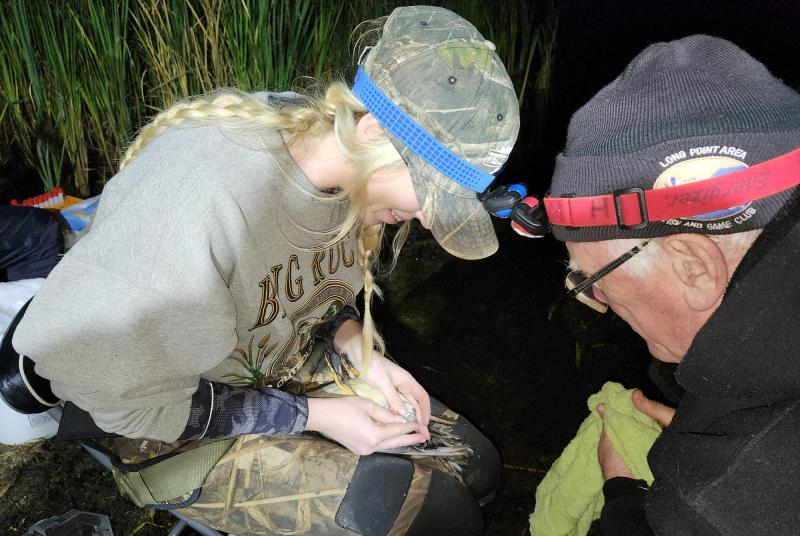
A critical effort that marks birds on their breeding grounds so scientists can track their survival, migration routes, and harvest across the flyway.
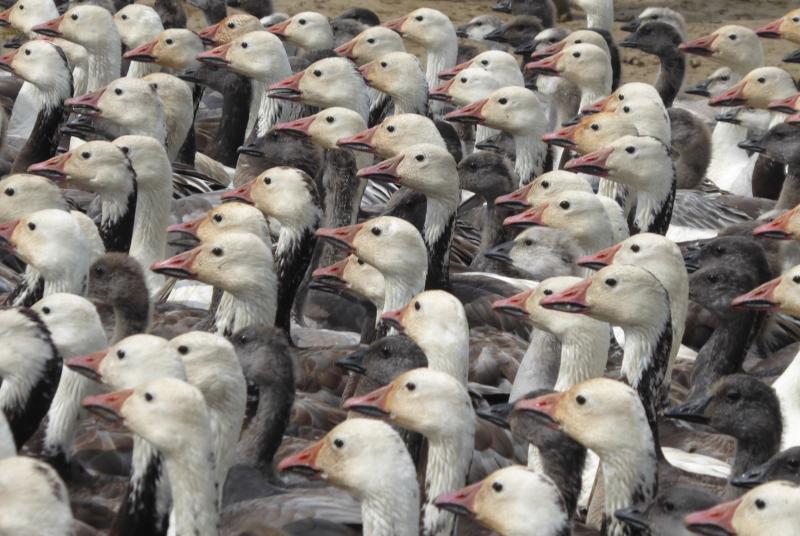
Researchers assess breeding success and population trends of these rapidly changing goose populations.
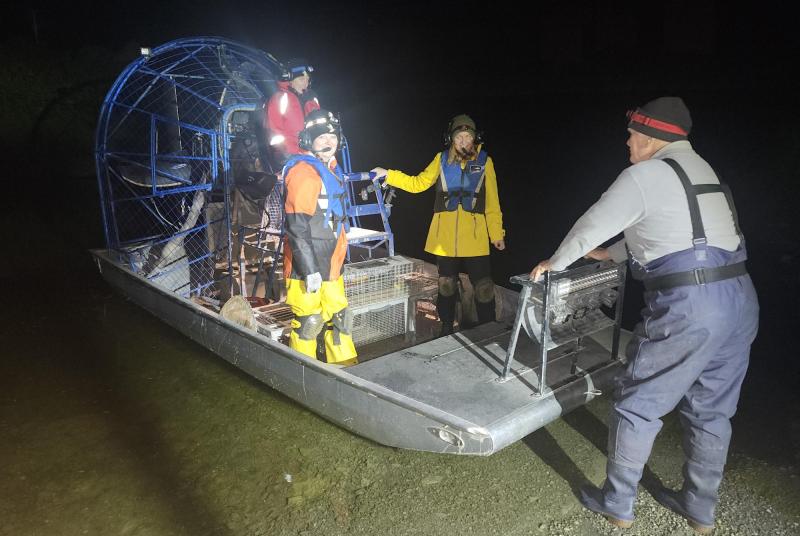
Helps detect and monitor the spread of disease in wild waterfowl populations and improves preparedness for potential impacts on wildlife, domestic poultry, and hunters.