These projects directly support waterfowl habitat and public hunting opportunities within Mississippi. WMA wetland infrastructure needs sometimes arise on short notice, and state waterfowl stamp funds can be used as needed to keep habitat management or impoundment flooding on schedule. 

Private land wetland habitat development within the local landscape near public lands can increase waterfowl use of the overall region.

Wildlife Management Area Wetland Management:

Wetland management across Wildlife Management Areas (WMAs) often require repairs to infrastructure like failing water control structures or groundwater wells. These systems allow wildlife managers to carefully control water levels in wetlands, which is essential for creating and maintaining high-quality habitat for migrating and wintering waterfowl. Over time, however, these structures can deteriorate due to age, weather, and constant use. State Waterfowl Stamps funds are often used on an as-needed basis to make improvements to public hunting areas in a timely manner. 

Together, these projects help maintain productive wetlands that benefit waterfowl populations while also supporting quality public hunting opportunities.
Recent Infrastructure Projects Include:

Pearl River WMA Infrastructure Replacement

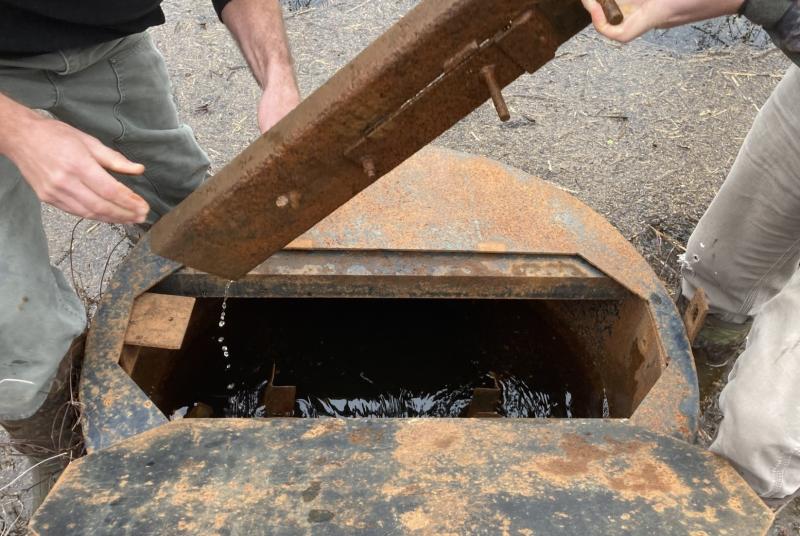
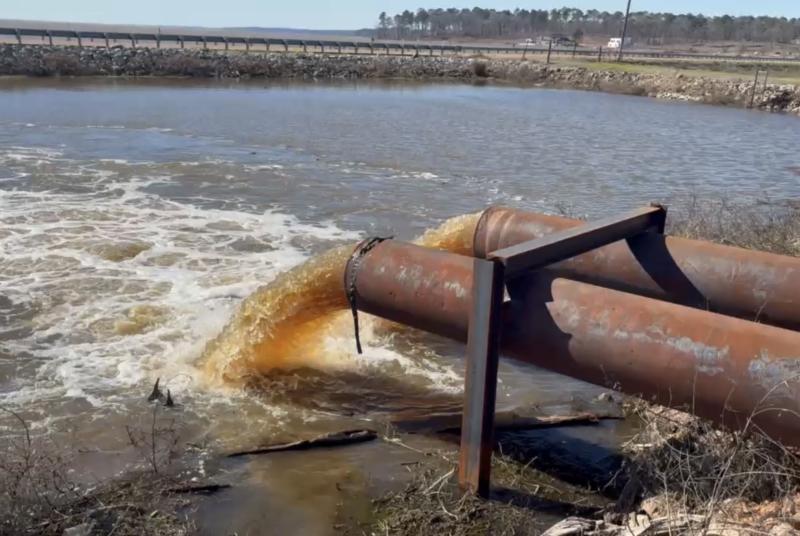
Aging de-watering pumps and water delivery pipes were replaced using funding from the Mississippi Outdoor Stewardship Trust Fund and Mississippi Waterfowl Stamps. This critical infrastructure improvement ensure the long-term functionality of the area's water management system, which is essential for maintaining high-quality wetland habitat for waterfowl and other wildlife. 

Each fall, waterfowl habitat is intentionally flooded using water from the Ross Barnett Reservoir. This managed flooding creates the shallow wetland conditions that ducks and other migratory birds rely on for feeding, resting, and shelter throughout the winter months. In the spring, once the managed waterfowl season has ended, the system allows that water to be efficiently pumped back into the reservoir using the newly replaced infrastructure. This process helps conserve water resources while preparing the habitat for the next seasonal management cycle. 

In addition to supporting waterfowl habitat management, the upgraded pump system also plays an important role in protecting nearby infrastructure. During periods of heavy rainfall, the pumps help remove excess water from the area, reducing the risk of flooding and helping safeguard the Turcotte Shooting Range.

Muscadine Farms WMA

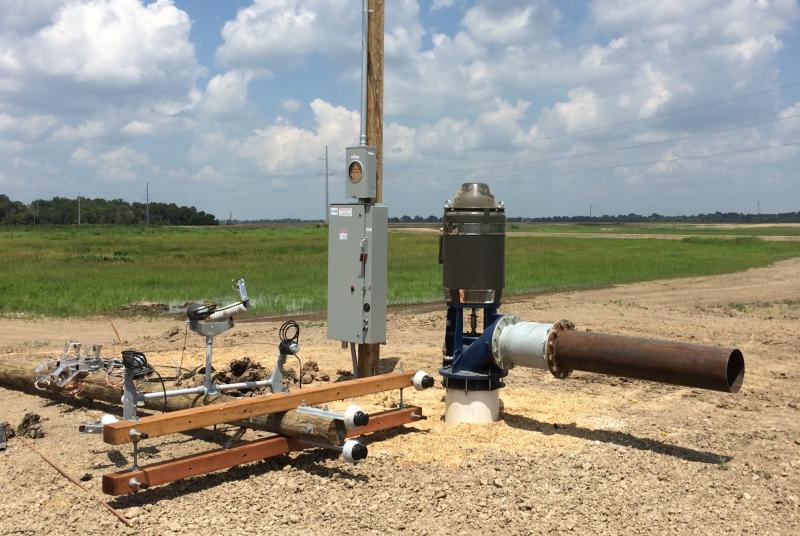
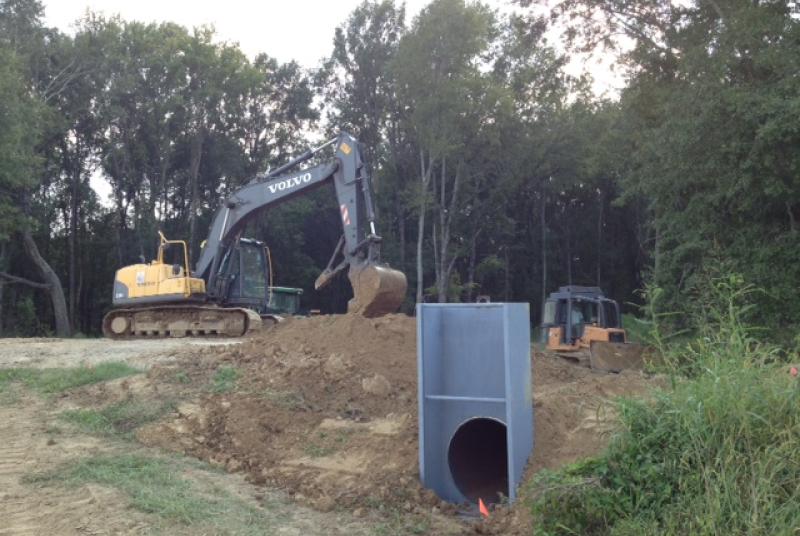
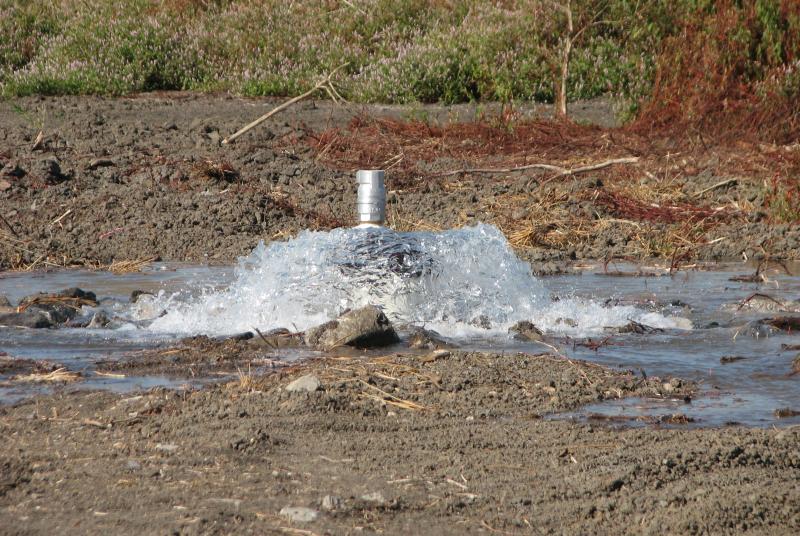
Aging and failed water infrastructure at Muscadine Farms WMA was restored through the replacement of three groundwater wells, repairs to three groundwater well pumps, and the installation of eight new water control structures. These improvements are critical to maintaining reliable water delivery across the area’s managed wetlands.

Each season, groundwater is used to flood moist-soil units and wetland habitats, creating ideal conditions for waterfowl and other migratory birds. With these upgrades, managers now have greater control over water levels, allowing for more consistent habitat quality, improved food availability, and better seasonal timing. The enhanced system ensures Muscadine Farms WMA can continue to support productive waterfowl habitat well into the future.

O'Keefe WMA

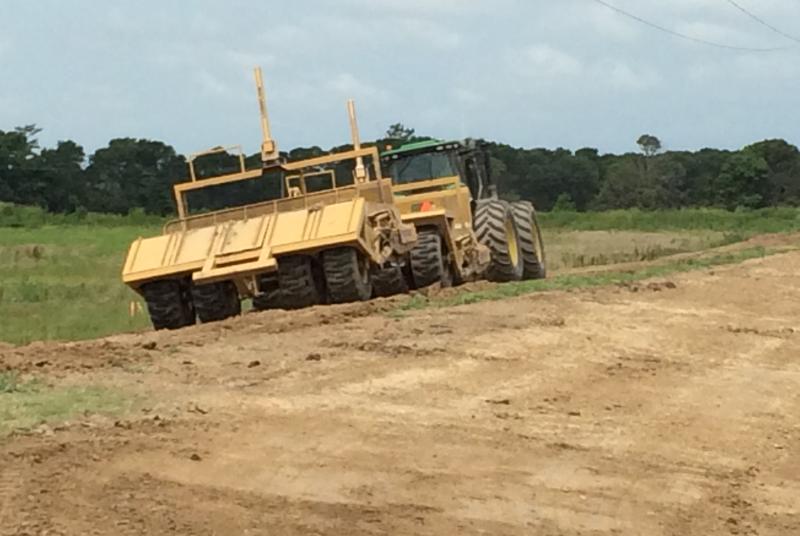
Targeted infrastructure improvements at O'Keefe WMA included the replacement of a failed groundwater well and repairs to an existing groundwater well pump for flooding waterfowl habitat. Additionally, we land leveled 83 acres of moist-soil impoundments to provide better water coverage. Together, these upgrades significantly enhance the area’s ability to efficiently manage water for wildlife habitat.

Groundwater is used to seasonally flood these impoundments, providing critical habitat for waterfowl during migration and wintering periods. The land leveling allows for more even water distribution across the landscape, maximizing habitat usability and food production. These improvements strengthen the WMA’s capacity to deliver high-quality wetland habitat year after year.

Charlie Capps WMA

A key infrastructure improvement at Charlie Capps WMA involved the replacement of a failed groundwater well, restoring a vital water source for the area’s managed habitats.

Groundwater plays an essential role in seasonal wetland management, allowing staff to flood habitats that support waterfowl and other wildlife. With the new well in place, managers can more reliably deliver water when and where it’s needed, improving habitat conditions and ensuring the area remains productive and resilient for future management cycles.

Private Land Wetland Infrastructure Assistance Program:

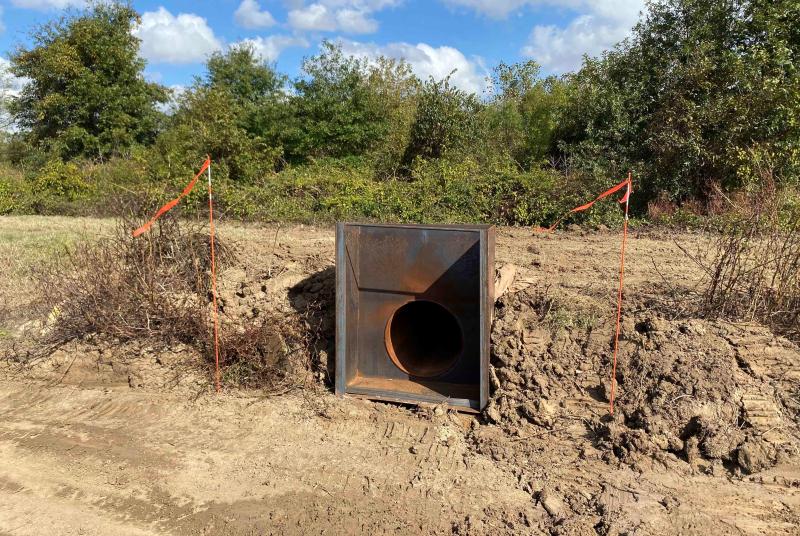
The Private Land Wetland Infrastructure Assistance Program assists Mississippi private landowners in developing wetland habitat by providing water control structures for prioritized projects. These structures allow landowners to better manage water levels, which is critical for creating productive wetland conditions that support waterfowl and other wetland-dependent wildlife. Projects are evaluated and ranked using a competitive scoring system designed to prioritize proposals that will provide the greatest benefit to waterfowl habitat across the state. Through this partnership approach, participating landowners contribute matching funds to cover delivery and installation costs, helping expand the reach of the program while ensuring strong local investment in wetland conservation.