Written by: Kevin Owens
Edits by: Pierce Young
Forest Stand Improvement (FSI)—also called Timber Stand Improvement (TSI)—is a set of non-commercial forest management practices used to improve woodland conditions by selectively removing trees. Unlike traditional timber harvest, the goal is not profit—it’s habitat function.
Across much of the Southeast, many forest stands are:
- Overstocked with low-value or undesirable trees
- Dominated by shade-tolerant species
- Lacking sunlight and understory vegetation
The result is a closed-canopy forest with limited wildlife value. TSI corrects this by selectively removing trees to increase sunlight, reduce competition, and stimulate native plant growth.
The Most Important Concept in TSI: Canopy Opening
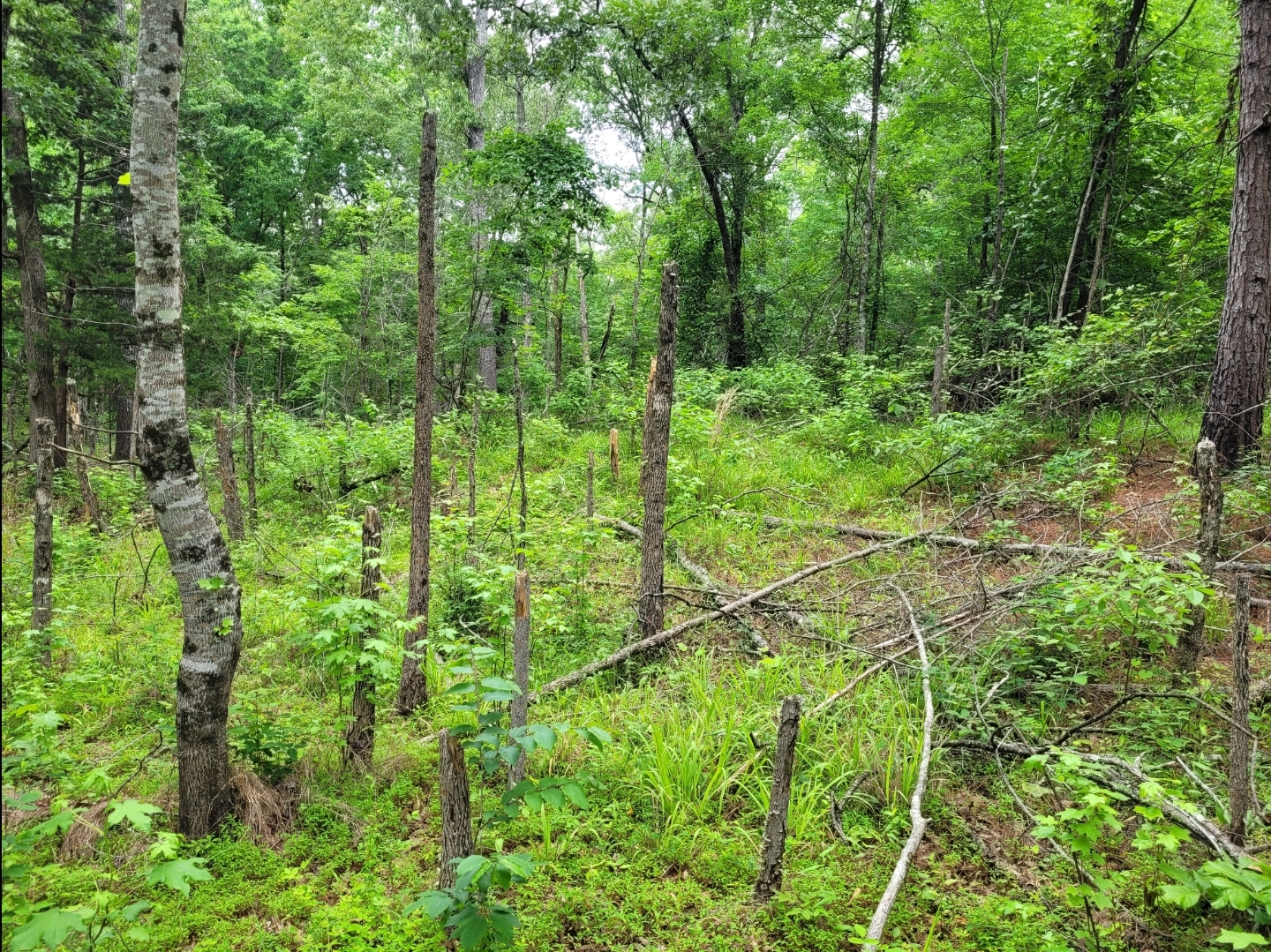
A key limitation in many woodland projects is failing to remove enough canopy to actually change light conditions.
General guidance:
- Minimum: 30% overstory canopy removal to see meaningful understory response
- Recommended by wildlife biologists: 50–75%+ overstory canopy removal for strong habitat improvement
Removing only midstory trees without reducing overstory canopy typically does not produce enough sunlight to drive meaningful understory vegetation response.
Why TSI Matters for Wildlife
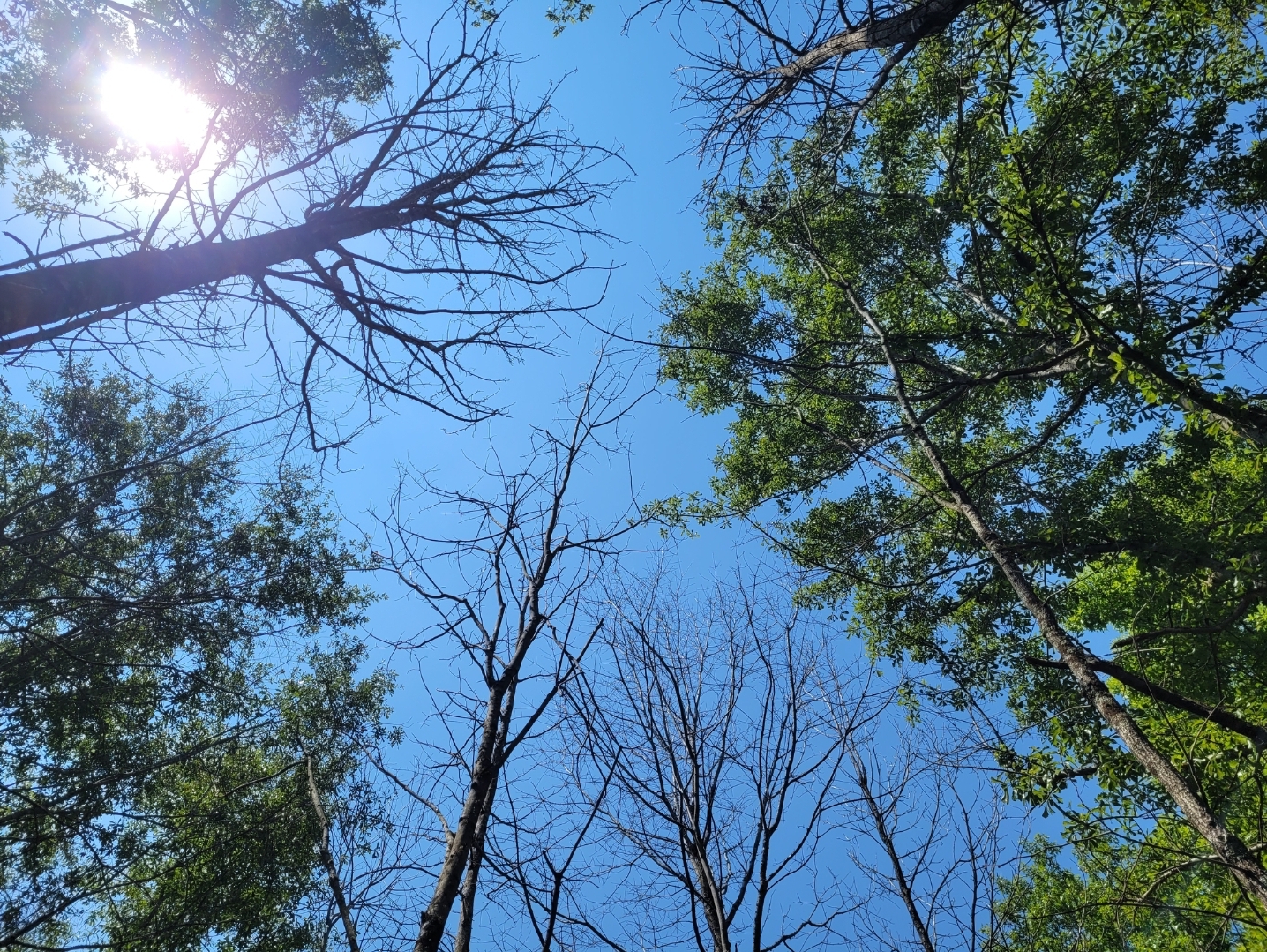
When sufficient sunlight reaches the forest floor, the response is rapid:
- Increased forbs and legumes (turkey and pollinator food)
- Increased woody browse (deer nutrition)
- Improved cover and structure (bedding, nesting, escape cover)
TSI converts closed-canopy woods into high-functioning wildlife habitat.
Choosing the Right TSI Technique
The primary techniques include:
- Hack-and-squirt (chemical injection)
- Hinge cutting
- Cut-stump treatment
- Basal bark treatment
- Girdling
Each serves a distinct ecological and management purpose.
Hack-and-Squirt (Chemical Injection)
What It Does
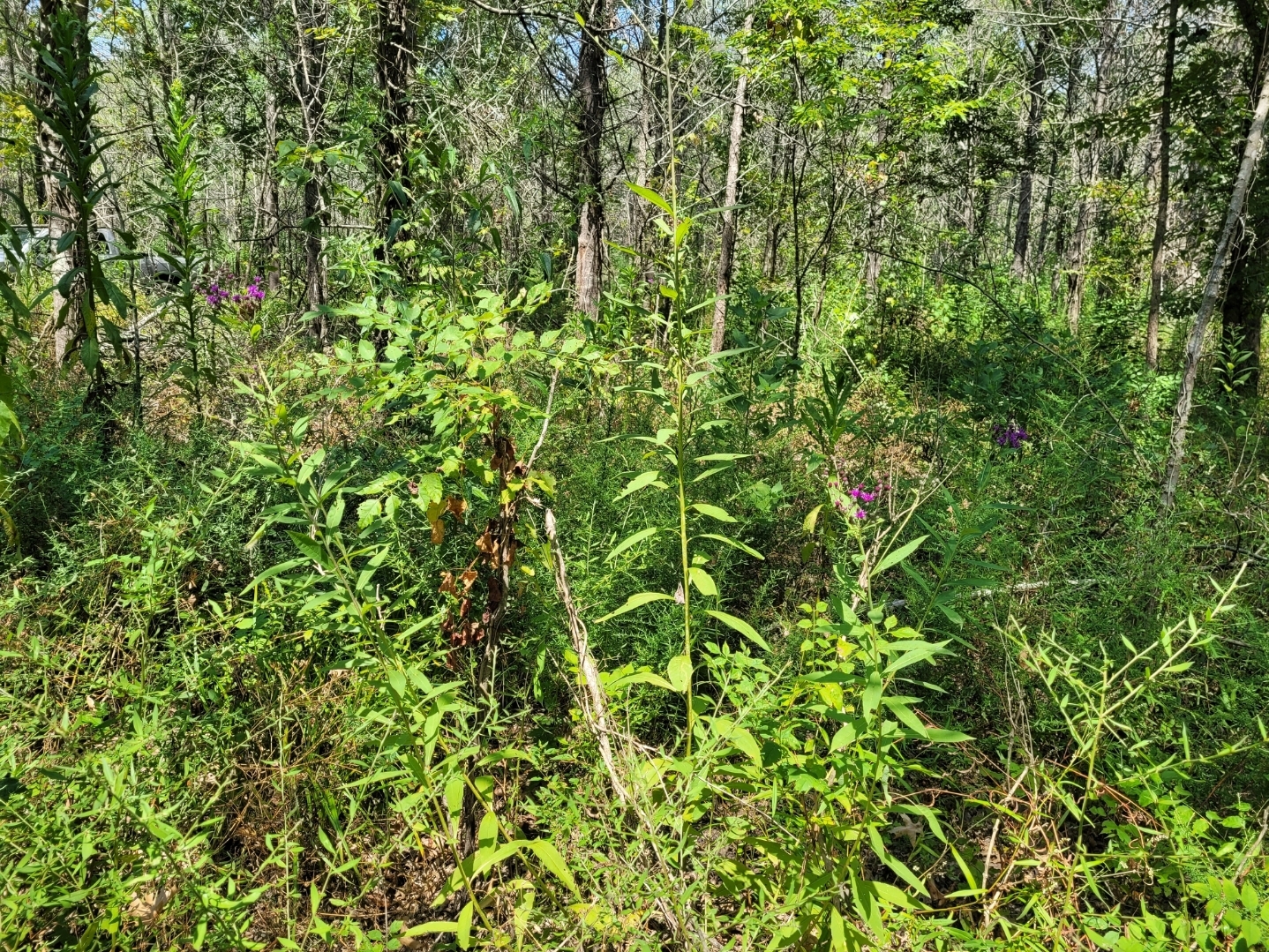
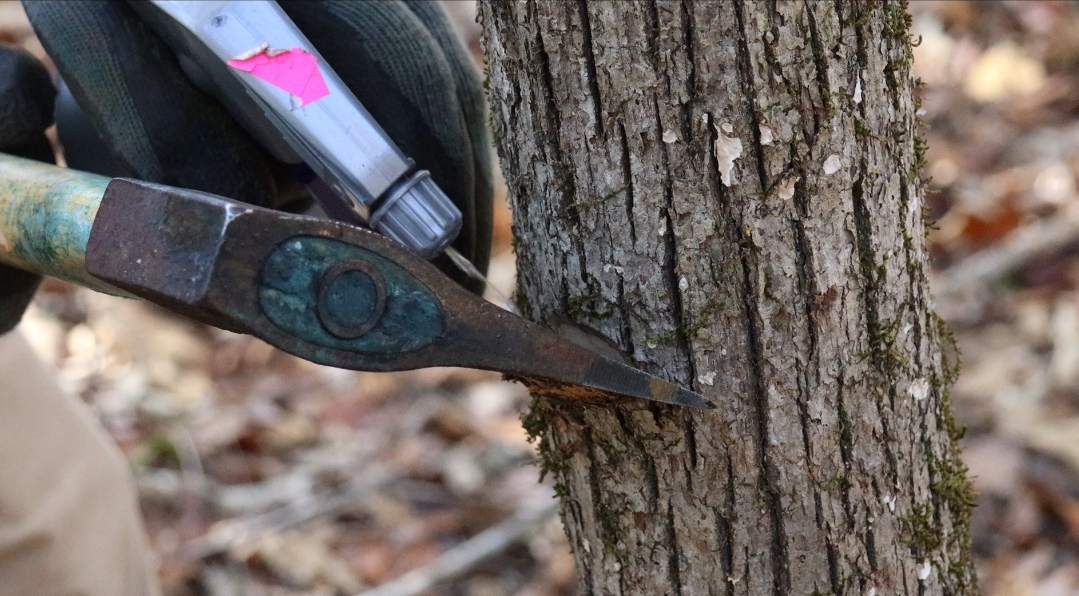
Hack-and-squirt uses herbicide injected into cuts around the trunk to systemically kill standing trees while leaving them in place.
How to Do It
- Make downward hatchet cuts around the trunk (1 cut per 2–3 inches DBH)
- Apply herbicide immediately into each cut
- Leave tree standing
Best timing: Late summer through fall
Herbicide Options
Option 1: Imazapyr + Water (Aggressive Control)
- 25% Imazapyr 4L + 75% water
Targets:
- Sweetgum
- Red maple
- Elm
- Blackgum
- Bradford pear
- Privet
- Tree-of-heaven
- Ironwood / hornbeam
Option 2: Triclopyr + Imazapyr + Water (Balanced Control)
- 50% Triclopyr Amine (Garlon 3A) + 10% Imazapyr 4L + 40% water
Targets:
- Hickories
- Ash
- Hackberry
- Sweetgum (moderate control)
- Maples
- Cherry
- Non-mast oaks
Pros
- Highly selective
- Efficient for large acreage
- Minimal soil disturbance
- Prevents stump sprouting
- Creates standing snags
Cons
- Slow visual response
- No immediate ground-level cover
- Requires precision
- Potential non-target effects
Bottom Line
- Imazapyr = strongest control
- Triclopyr + Imazapyr = balanced stand conversion tool
Hinge Cutting
What It Does
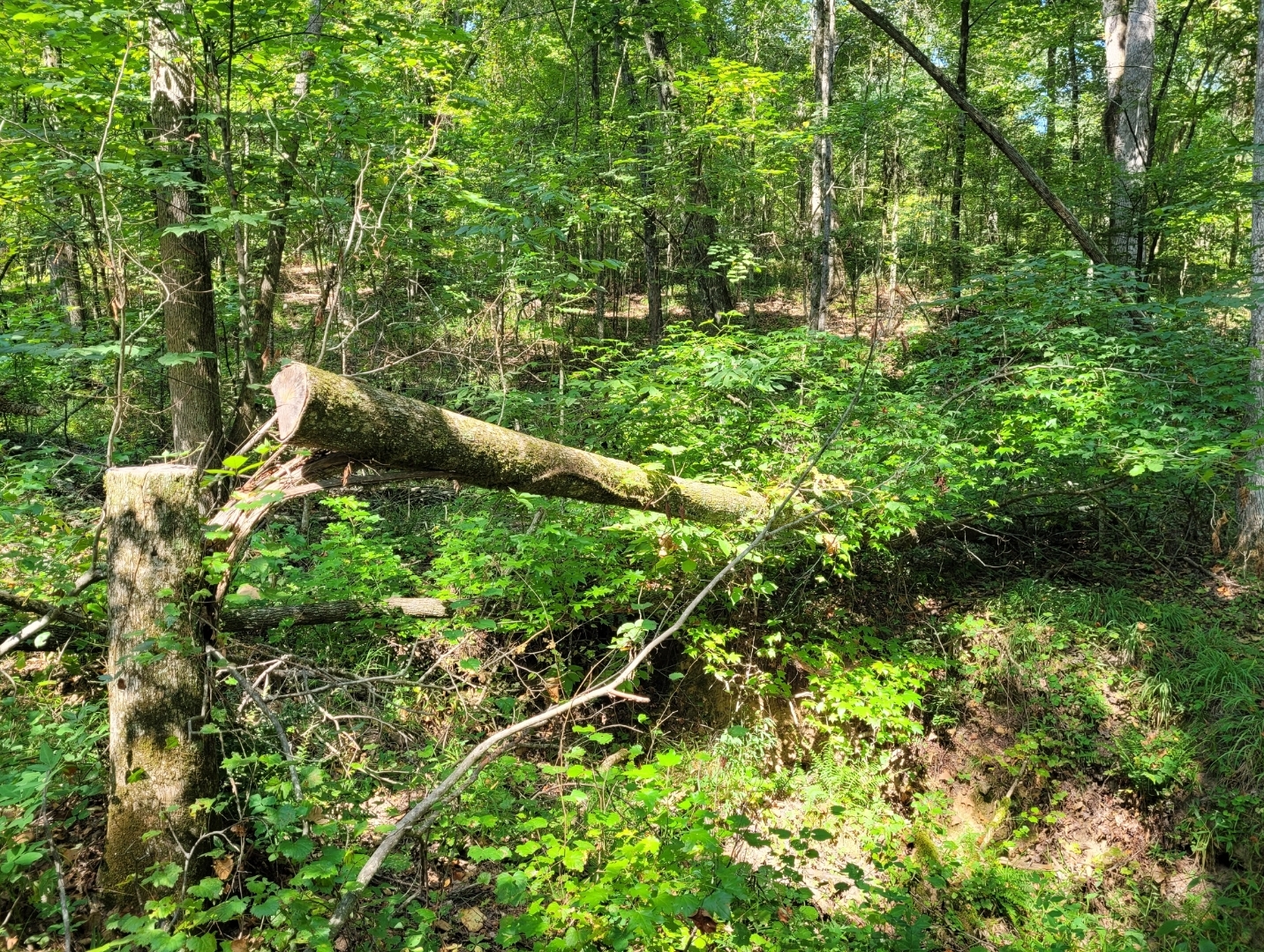
Creates instant cover and browse by partially cutting trees so they remain attached.
How It Works
- Select trees <8–10” DBH
- Cut 70–90% through trunk at waist height
- Push over while maintaining hinge
Best Species
- Red maple
- Elm
- Sweetgum (young stems)
- Hackberry
- Willow
- Young poplar/cottonwood
Pros
- Immediate cover
- Instant browse
- Movement control for deer
Cons
- Most species resprout within a couple years
- Creates long-term “mess” for future logging
- Increases stem density
- Lower understory response than canopy removal
- More labor intensive
- Short-lived benefit
Bottom Line
Best for short-term bedding and structure in small areas.
Cut-Stump Treatment
What It Does
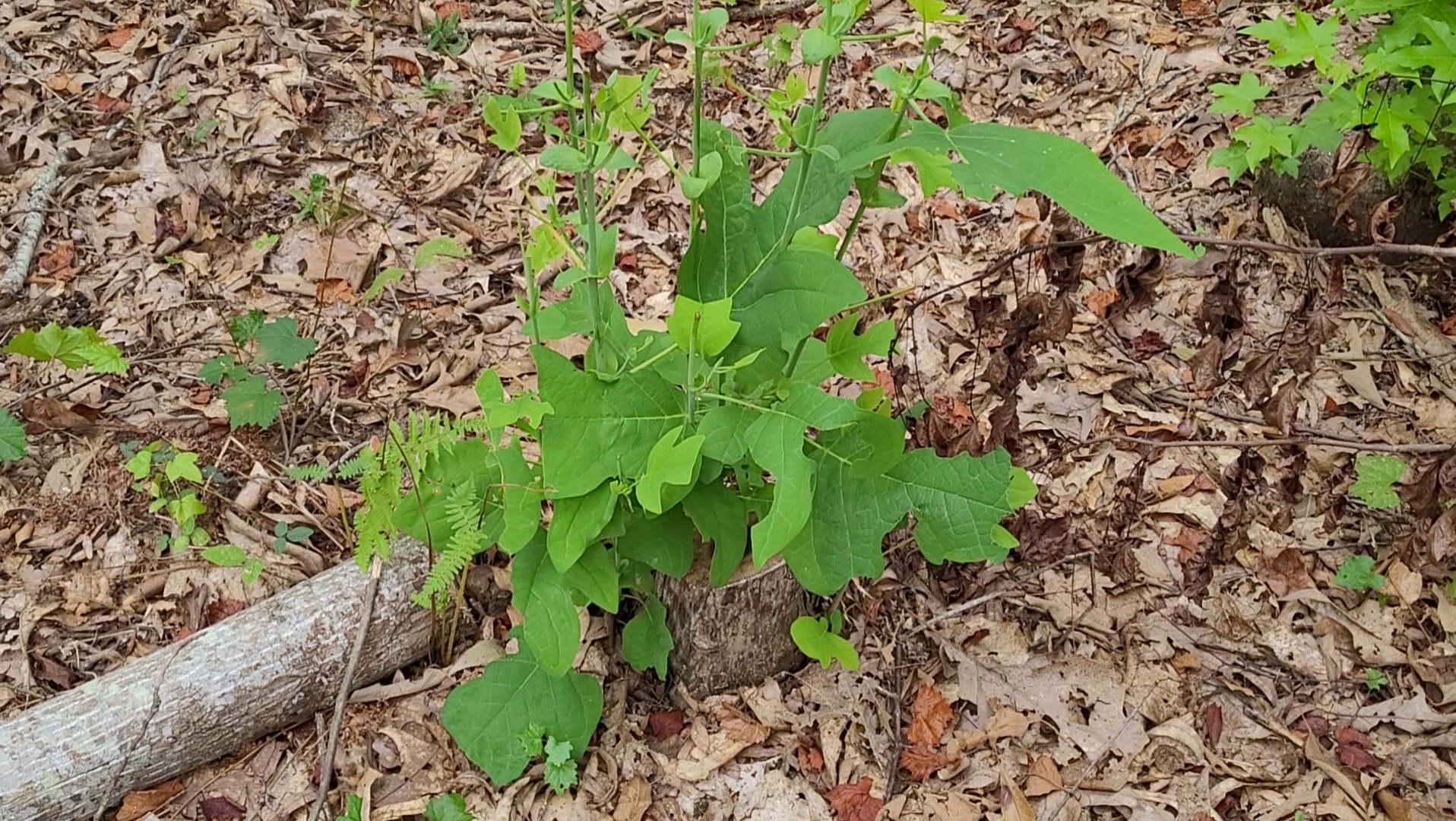
Cutting trees at the base triggers vigorous stump sprouting, creating browse and cover.
Species That Respond Best
- Sweetgum
- Red maple
- Hickory
- Ash
- Beech
- Elm
- Poplar / cottonwood
- Willow
- Blackgum (moderate)
- Hackberry (moderate)
- Cherry (moderate)
Why You Would Use It
- Produces mineral stump sprouts (nutrient-rich browse)
- Creates concentrated feeding areas
- Forms shrubby cover from sprout clusters
- Improves sunlight availability
- Promotes understory vegetation response
Mineral Stump Sprouts
- High protein
- High mineral content
- Repeatedly browsed regeneration
Habitat Structure Benefits
- Shrubby cover from sprout clusters
- Improved deer bedding cover
- Better herbaceous plant response than hinge cutting
- More sunlight reaches forest floor
Pros
- High-quality browse production
- Shrubby cover development
- Strong understory response
- Excellent deer nutrition
- Increased sunlight penetration
Cons
- Dense sprouting can become difficult to move through
- Requires browsing pressure to maintain quality stage
- Not suitable for large-scale uniform use
- Can become thick if unmanaged
- Most species resprout within a couple years
- Creates long-term “mess” for future logging
- Increased stem density complicates future management
Bottom Line
Best for small, high-value browse and shrub development areas.
Basal Bark Treatment
What It Does
Applies herbicide to lower stems to kill saplings and small trees without cutting.
How It Works
- Treat lower 12–18 inches of stem
- Ensure full bark coverage
Herbicide and Rates
- 20–30% Triclopyr ester (Garlon 4) + 70–80% basal oil or diesel carrier
Best Species Controlled
- Privet
- Sweetgum (small stems)
- Red maple saplings
- Elm saplings
- Hackberry saplings
- Brush and invasive species
Why You Would Use It
- Low-disturbance thinning
- Improves sunlight penetration
- Ideal for edge habitat and thick regeneration
Pros
- No cutting required
- Minimal soil disturbance
- Efficient sapling control
- Selective understory thinning
Cons
- Limited to small stems
- Slower canopy response
- Requires careful application
- Less effective on mature trees
Bottom Line
Best for fine-scale understory release work.
Girdling
What It Does
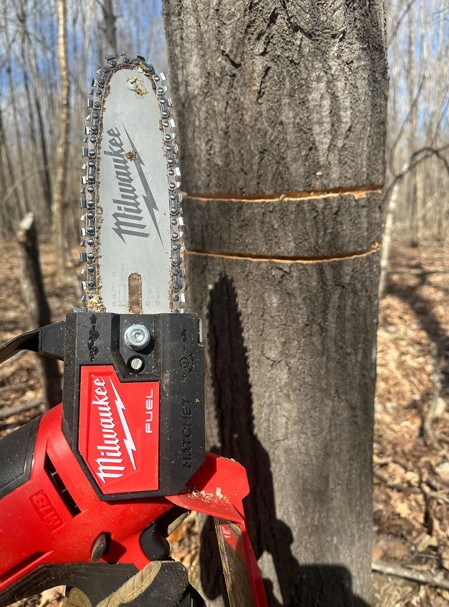
Removes a ring of bark around the tree, cutting off nutrient flow and slowly killing it while leaving it standing.
How It Works
- Complete girdle through bark and cambium
- Tree dies gradually over time
Best practice:
More appropriate for larger trees. Most efficient when done with a small handheld chainsaw for a clean girdle.
Best Species Controlled
- Oaks
- Hickory
Important Limitation
Girdling should not be used on aggressive resprouting species such as:
- Sweetgum
- Red maple
- Elm
- Poplar / cottonwood
- Blackgum
- Willow
These species often resprout heavily and refill canopy openings.
Why You Would Use It
- Low-cost canopy reduction
- Gradual forest opening
- Wildlife snag creation
- Useful in remote areas
Pros
- No herbicides required
- Creates wildlife snags
- Low equipment cost
- Selective removal
Cons
- Slow mortality
- Trees remain standing hazards
- No immediate habitat response
- Less predictable than cutting methods
- Most labor-intensive TSI method
Bottom Line
Best for slow canopy reduction and snag creation in oak/hickory-dominated stands.
Integrated Strategy: When to Use Each Method
The most effective habitat work rarely relies on a single technique.
- Hack-and-squirt is typically the go-to for larger areas and stand conversion work
- Basal bark works well in thick regeneration and understory competition
- Cut-stump is preferred in small, areas for attraction near hunting locations
- Hinge cutting quickly improves short-term cover and bedding structure
- Girdling is best for slow canopy reduction and snag creation in mature hardwood stands
The key is matching the method to:
- Species present
- Tree size class
- Site density
- And overall habitat objective
Critical Rule Across All Methods
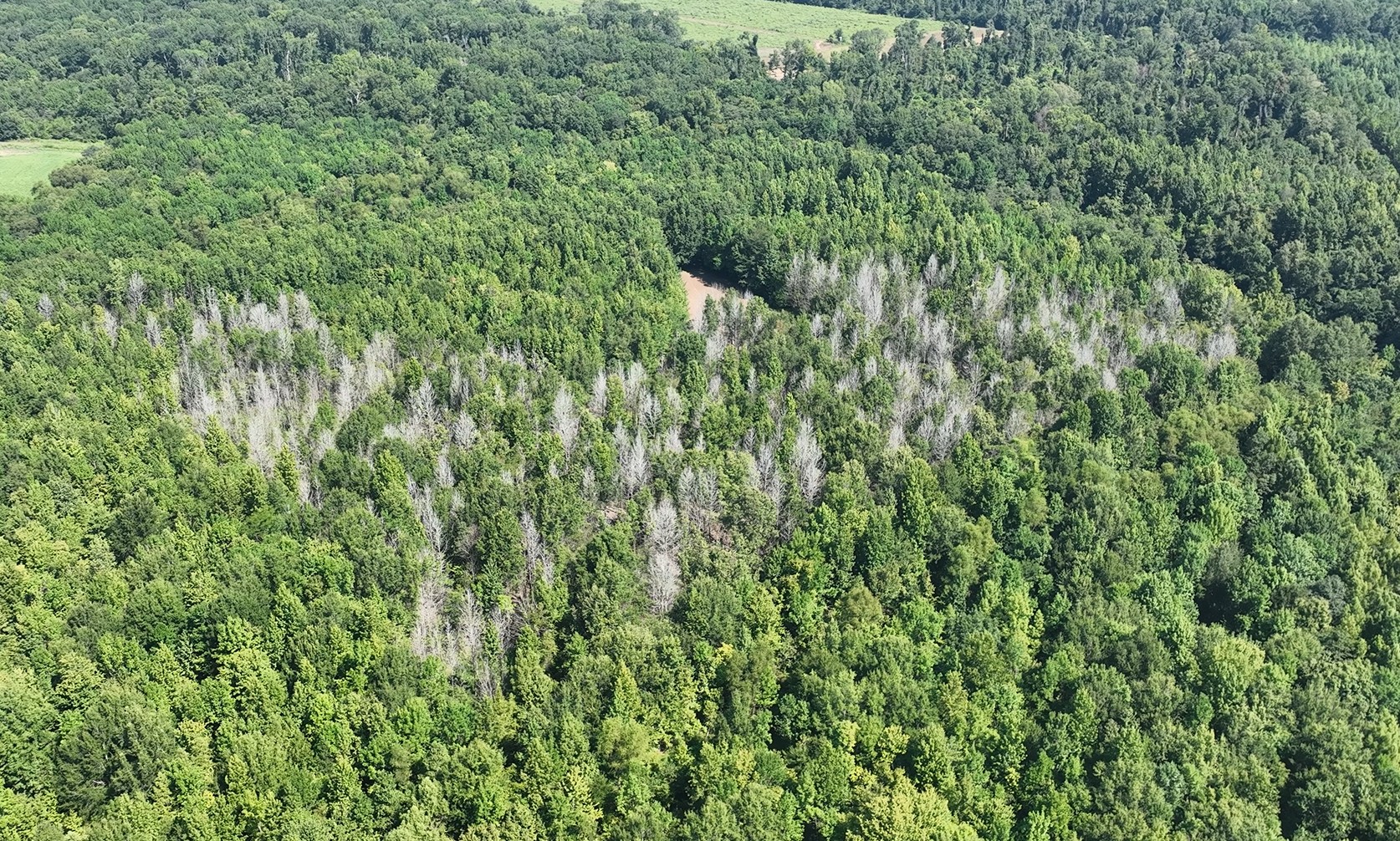
At least 30% canopy removal is required for meaningful results, and 50–75%+ is often needed for strong wildlife response.
Without sufficient canopy opening, understory response will remain limited regardless of technique.
For more wildlife management information visit: